

Skip to content
Om Sai Piles CareRanchi · Jamshedpur
Common MisconceptionsEnglish

Six Common Misconceptions About Piles and Anorectal Treatment

The most damaging misconceptions in anorectal care are that all piles need surgery, that any treatment can guarantee a permanent cure, that ointments alone resolve a fistula, and that bleeding can safely be assumed to be piles. Each of these leads patients to delay an examination that would have made treatment simpler.

Illustration of an Indian doctor leading a patient education discussion

1. "Piles always mean surgery"

Early piles are frequently managed with medication together with correction of constipation. Procedural treatment is considered when symptoms persist or the grade of piles requires it, and that decision follows an examination — not a phone call.

2. "Laser treatment is completely painless and needs no recovery"

Laser-assisted treatment is a useful option for selected patients, but no procedure is completely painless and recovery instructions still apply. Any claim of a guaranteed painless result should raise doubt rather than confidence.

3. "An ointment will close my fistula"

An established fistula tract does not close with creams or repeated antibiotic courses. Antibiotics may settle an infective episode, which is why the problem seems to improve, but the tract itself needs treatment.

4. "Bleeding is definitely piles"

Piles are the most common cause of anal bleeding but not the only one. This assumption is the single most common reason patients arrive after months of unnecessary delay. Bleeding deserves an examination.

5. "Once treated, it can never come back"

Recurrence is possible in piles, fissure, fistula and pilonidal sinus, and is strongly influenced by bowel habit and by following aftercare. A practitioner who promises 100% permanent results is overstating what medicine can offer.

6. "It is too embarrassing to get examined"

This is understandable but costly. Consultations are conducted privately and one patient at a time, and the examination is brief. Delay, in contrast, usually means longer treatment.

Frequently asked questions

This article is general health information and does not replace a clinical examination. Please consult a doctor about your own symptoms.

Treatments

Learn about the treatment

Doctor explaining piles treatment during a private consultation

Piles / Haemorrhoids

Assessment and treatment of internal and external haemorrhoids, including bleeding, swelling and prolapse.

Learn more
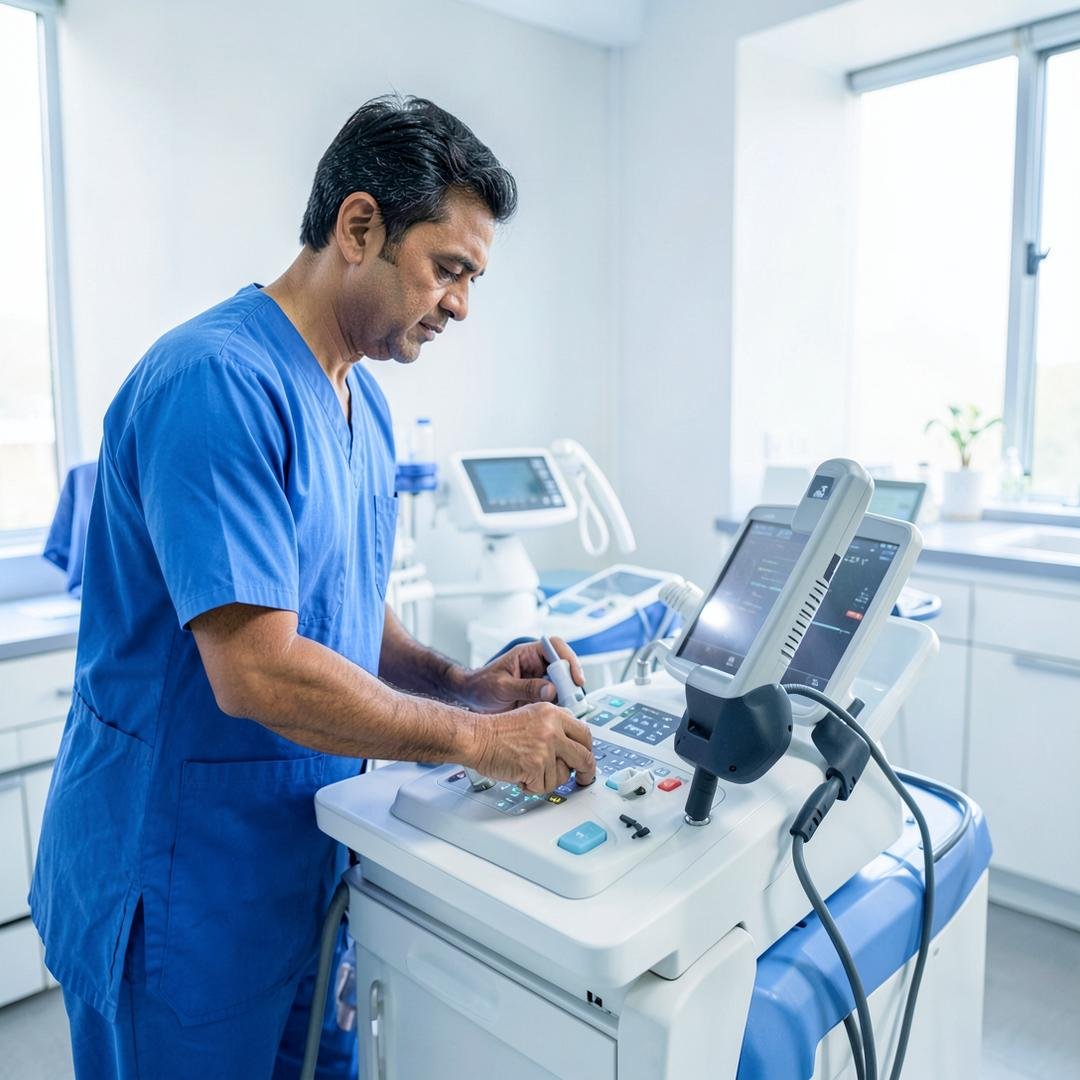
Clinician preparing modern laser treatment equipment

Laser-Assisted Anorectal Treatment

Laser-assisted options for selected patients with piles, fissure, fistula or pilonidal sinus.

Learn more
Doctor reviewing a diagnostic scan during an anal fistula assessment

Anal Fistula

Evaluation and treatment of anal fistula, including recurrent and previously operated fistulas.

Learn more

Read next

More articles

Illustration of an Indian patient discussing a symptom diary with a doctor
PilesEnglish

Bleeding Piles: What the Bleeding Actually Tells You

Painless bright red bleeding is the classic sign of internal piles — but bleeding is a symptom, not a diagnosis. Here is how it is assessed.

Read article
Illustration of an Indian doctor explaining medical reports to a patient
FistulaEnglish

Understanding Anal Fistula: Why It Keeps Coming Back

A fistula that discharges, settles and returns has not healed. Here is what is happening and why assessment matters before treatment.

Read article

Book a consultation at Om Sai Piles Care

Talk to our team about piles, fissure, fistula, pilonidal sinus or a wound that is not healing. Main clinic consultation hours are 9:00 AM to 9:00 PM.

CallWhatsAppAppointment