
How a fistula forms
Small glands inside the anal canal can become blocked and infected. The infection collects as an abscess, which is painful and often needs to be drained. Once the pus has escaped, a narrow tract may persist between the original site of infection and the skin.
That tract is the fistula. It does not close by itself because it is continually kept open by the internal opening inside the anal canal.
Why patients think it has healed
The cycle is characteristic: the external opening blocks, pressure builds, swelling and pain increase, then the opening discharges and relief follows. Because the relief is genuine, patients conclude the problem has resolved.
Each cycle can extend or branch the tract, which makes later treatment more involved. This is the main reason not to wait.
What assessment involves
The doctor examines the region to locate the external opening and to judge the likely course of the tract and its relationship to the sphincter muscle, which controls continence.
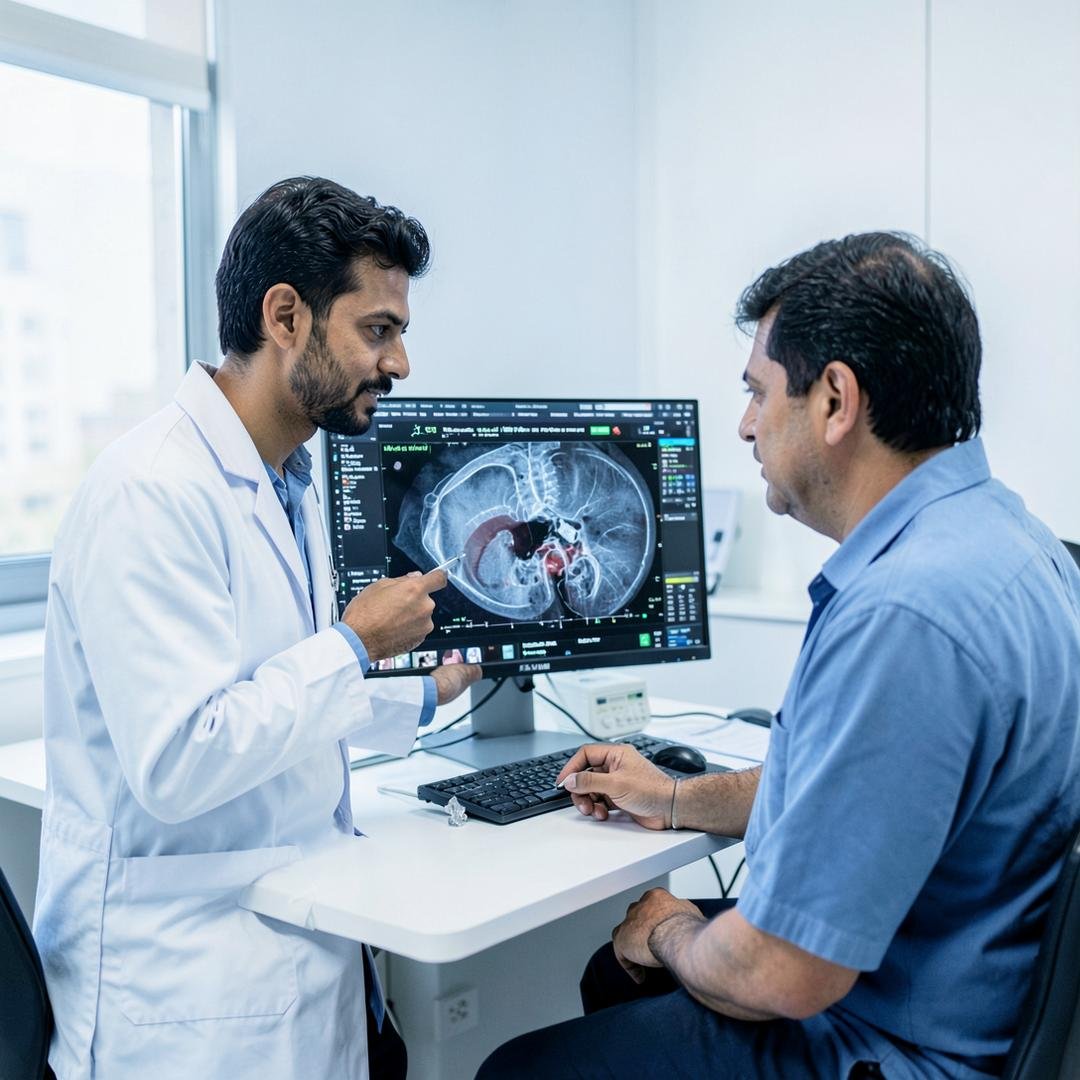
For fistulas that appear complex, have several openings, or have recurred after earlier surgery, imaging such as an MRI fistulogram may be advised so the tract is understood before any procedure.
Why recurrence happens
Recurrence is not always avoidable, but the common reasons are identifiable.
- The internal opening was not identified or addressed
- A branch of the tract was missed
- Treatment was carried out while infection was still active
- Wound care and dressing instructions were not followed during healing
- Follow-up was stopped once the wound looked closed on the surface
What to expect from treatment
Active infection is controlled first. Definitive treatment is then chosen according to the type and course of the tract, with protection of sphincter function as a priority. Laser-assisted management is used where the doctor considers it suitable.
Healing takes time and depends on consistent wound care. No honest practitioner can guarantee that a fistula will never return, but careful assessment and follow-up substantially improve the odds.
Frequently asked questions
This article is general health information and does not replace a clinical examination. Please consult a doctor about your own symptoms.